
RitamSage

Graha IX of IX · Chhaya graha

Ketu

केतु Ketu · the south lunar node, the dragon's tail, Shikhi

The headless one: detachment, insight and what you already know.

Dasha
7 years
Exalted
Views differ
Debilitated
Views differ
Gem
Cat's eye
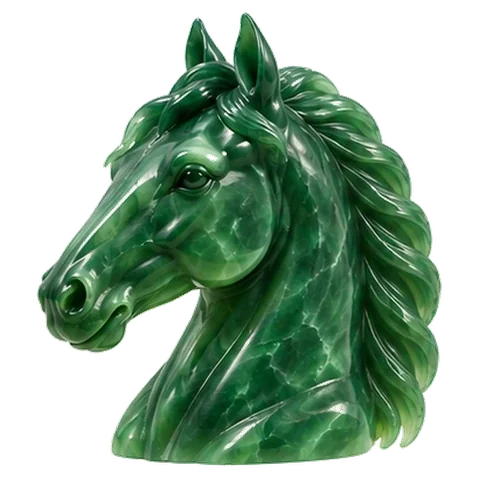
Ketu, photographed against a pale sky
Plate IX · KetuNone of its own
About Ketu

Ketu is the south node, the point opposite Rahu, and the other half of the same asura: the body without the head. Where Rahu hungers for what it has never had, Ketu already knows and no longer wants. It stands for detachment, intuition, spiritual insight and moksha, the final liberation. It is the flag (ketu) that flies over the temple.

Ketu brings skills that seem to come from nowhere, and an indifference to things others chase. It can cut away what is no longer needed, sometimes suddenly. Classically it is a malefic, because loss and separation are hard, but in spiritual life Ketu is a great giver. Its lesson is to let go cleanly and trust what you know without needing to explain it.

On the belt
ARITAUGEMCANLEOVIRLIBSCOSAGCAPAQUPIS0°90°180°270°Ketu7 YRS
Ketu on the 360° belt: the signs it rules, its three nakshatras and its points of exaltation and debilitation.its nakshatras
Mantraॐ केतवे नमः

Om Ketave Namah

What it signifies
  • Detachment
  • Moksha (liberation)
  • Intuition
  • Past-life skill
  • Spiritual insight
  • Loss that frees
  • Mysticism and occult knowledge
  • Sudden endings
In your chart

Where to look

Ketu's house shows where you have deep, almost inherited ability and, often, a lack of interest or a feeling of something missing. In the twelfth it favours spiritual practice and retreat; in the fourth, a detachment from home; in the tenth, work done without ambition. Ketu takes colour from the lord of its sign and any planet it joins.

In your day

How RitamSage uses it

Ketu's transit opposite Rahu, and Ketu dasha and antardasha periods in your Life periods, feed into the longer rhythm of your days. Ketu also begins the Vimshottari sequence, ruling Ashwini, Magha and Mula. On days strongly marked by Ketu, RitamSage leans towards reflection, prayer and finishing rather than beginning.

See Today

When strong

A well-placed Ketu gives intuition, depth, spiritual inclination and an easy detachment that frees a person from many worries. Such people often have an uncanny skill in one area, a gift for healing or research, and an inner life that sustains them.

When tested

When Ketu is under strain, life can feel directionless or isolating, and losses can come without warning. This is a time to simplify, to seek meaning rather than more, and to keep a practice that grounds you. Worship of Ganesha is the traditional support.

Practice

Three simple practices

  1. Worship Ganesha, especially on Tuesdays and Chaturthi.
  2. Recite “Om Ketave Namah” or keep a few minutes of silent meditation daily.
  3. Feed stray dogs, or give a multicoloured blanket.
Its nakshatras

Rahu and Ketu rule no sign in the classical texts; views on their rulership and exaltation differ between traditions.