
RitamSage

Services

Everything RitamSage does.

RitamSage reads your birth chart against today's sky and tells you, in plain words, what kind of day it is and when to begin. 22 services in five groups, all from one birth chart.

Your day

Your day

One clear reading each morning, and the small things that keep you in step through the hours.

Today

One clear level for your day, with the reasons behind it.

For: Anyone who wants a calm, reasoned sense of the day before it begins.

How it works

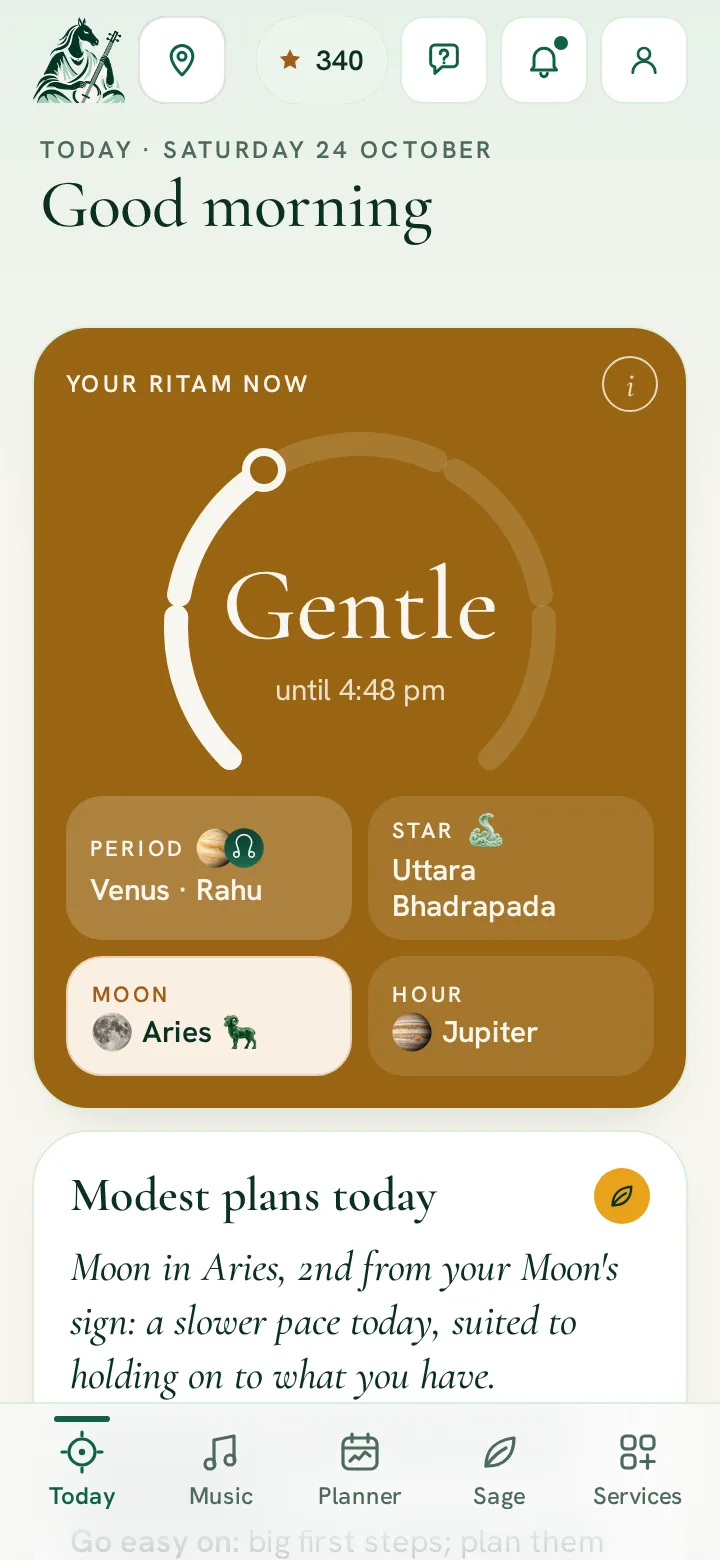
Each morning RitamSage reads your birth chart against the sky as it is now: the Moon's transit through your chart, the tithi, today's nakshatra, your running dasha periods and the panchang for the place you are in. It brings these together into one level for the day: Charged, Steady, Balanced, Gentle or Rest.

Tap “Why today?” to see what moved the reading. Today's Rhythm then breaks the day into eight life areas (work, money, love, home, friends, learning, travel and rest), so you can see that a quiet day for money may still be a warm one for family. Today also names the deity of the day, and its card plays that deity's song for your state and the part of the day. Below the day's practices sits a line for today: one line from a published text, chosen for a festival, the Moon's phase or your state, with its source named under it. It is not medical advice and it is not fortune-telling. It is a rhythm, not a verdict.
RitamSage app screen: Today, showing the day's level, period, star, Moon and hour
Home-screen widget

Your rhythm at a glance, like battery or signal.

For: People who want guidance without opening an app.

How it works

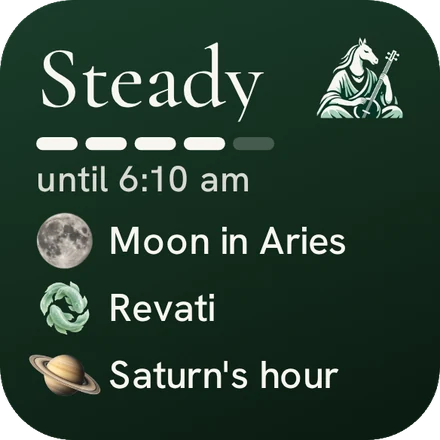
The RitamSage widget sits on your Android home screen and shows today's level the way your phone shows battery or signal: a quick glance, no app to open. It updates as the day turns, so you can see when the Moon moves into a new nakshatra or when a better hour is coming.

Tap it to open the full reading, the “Why today?” explanation and the life-area breakdown. Most people find the widget is the part they use most: a small, steady reminder to match effort to the day.

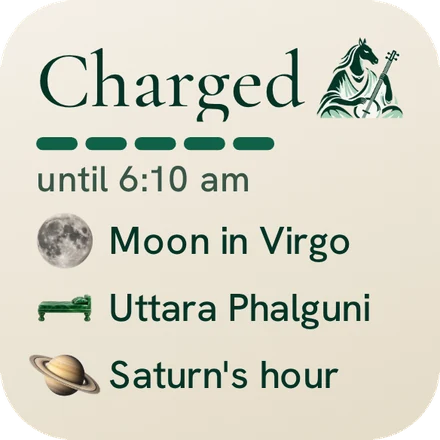
The RitamSage home-screen widget: Steady until 6:10 am, Moon in Aries, Revati, Saturn's hour, on the Forest groundThe RitamSage home-screen widget: Charged until 6:10 am, Moon in Virgo, Uttara Phalguni, Saturn's hour, on the Sand ground
This moment

The planetary hour (hora) that is running right now.

For: People choosing the best hour for a call, a message or a small start.
How it works

In Jyotish each day is divided into horas, planetary hours that begin at sunrise with the lord of the weekday and then cycle through the seven visible planets. A Sun hora favours authority and visibility; a Mercury hora favours writing, calls and trade; a Venus hora favours art, beauty and relationships.
This moment shows which hora is running for your location, when it ends and what it is traditionally good for. It is the quickest way to pick the better half-hour for a difficult email or an important call.

The Moon's hour one of 24 horas, sunrise to sunrise sunrise sunset
Moon today

The Moon's sign, nakshatra and phase, right now.

For: Anyone who follows the Moon, the tithi or fasting days.

How it works

The Moon is the fastest-moving body in Jyotish and the one that shapes the feel of a day most. Moon today shows its current sign, its nakshatra and pada, the tithi and the paksha (waxing or waning), along with when each of those will change.

It also shows where the Moon is moving through your own chart, counted from your Moon sign. That single fact explains a good deal of why some days feel light and others feel heavy.

Jade carving of a crescent Moon
Your star

Your birth nakshatra, and the one the Moon is in today.

For: Anyone who wants to know their nakshatra and how it meets each day.

How it works

Your janma nakshatra, the lunar mansion your Moon occupied at birth, is one of the most personal things in your chart. It colours temperament, sets the start of your dasha sequence and is used for naming and matching. Your star explains your nakshatra, its deity, symbol, ruling planet and pada.

It also shows today's nakshatra, the star the Moon is passing through now, so you can see how the day's star sits beside your own.

Jade carving of the two fish of Revati
Music

Devotional music matched to your day, the hour and your chosen deity.

For: Anyone who likes to begin or end the day with devotional music.

How it works

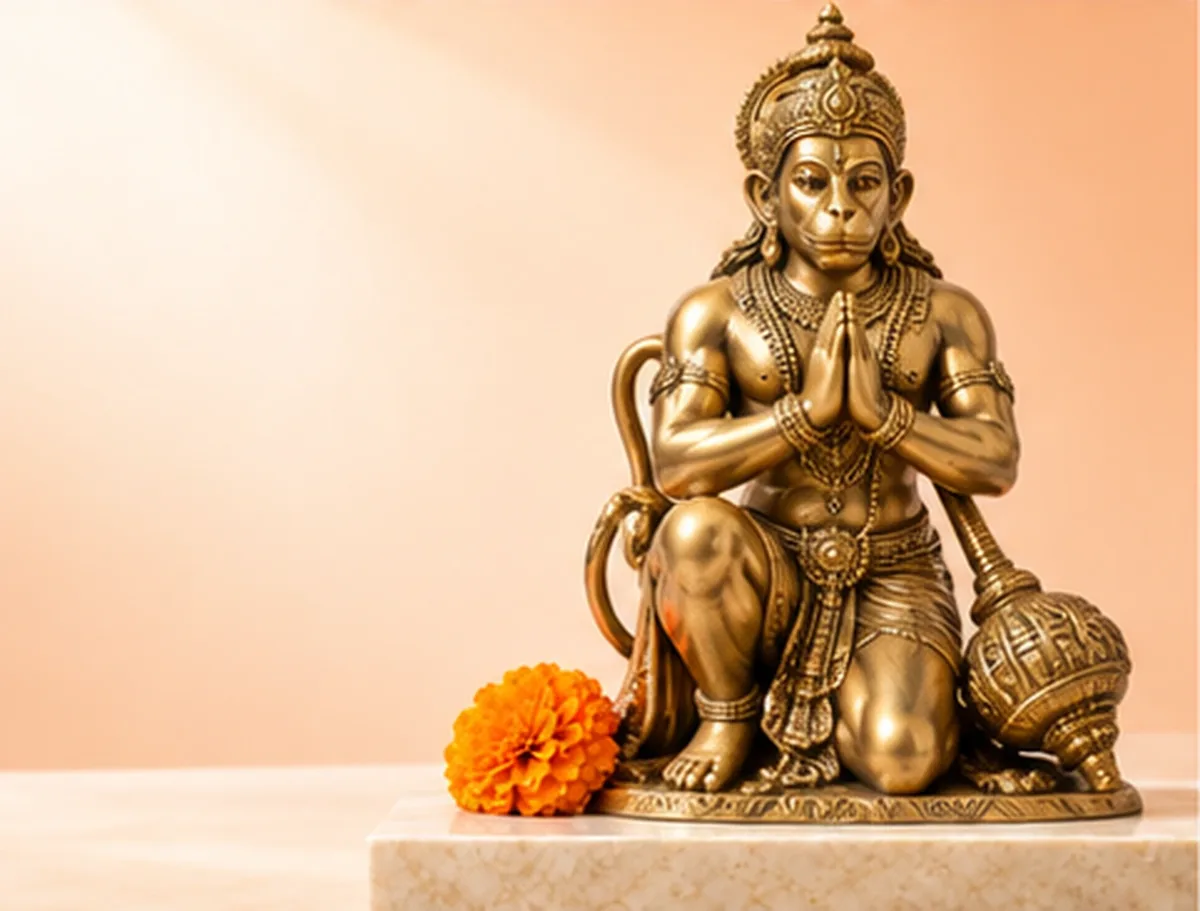
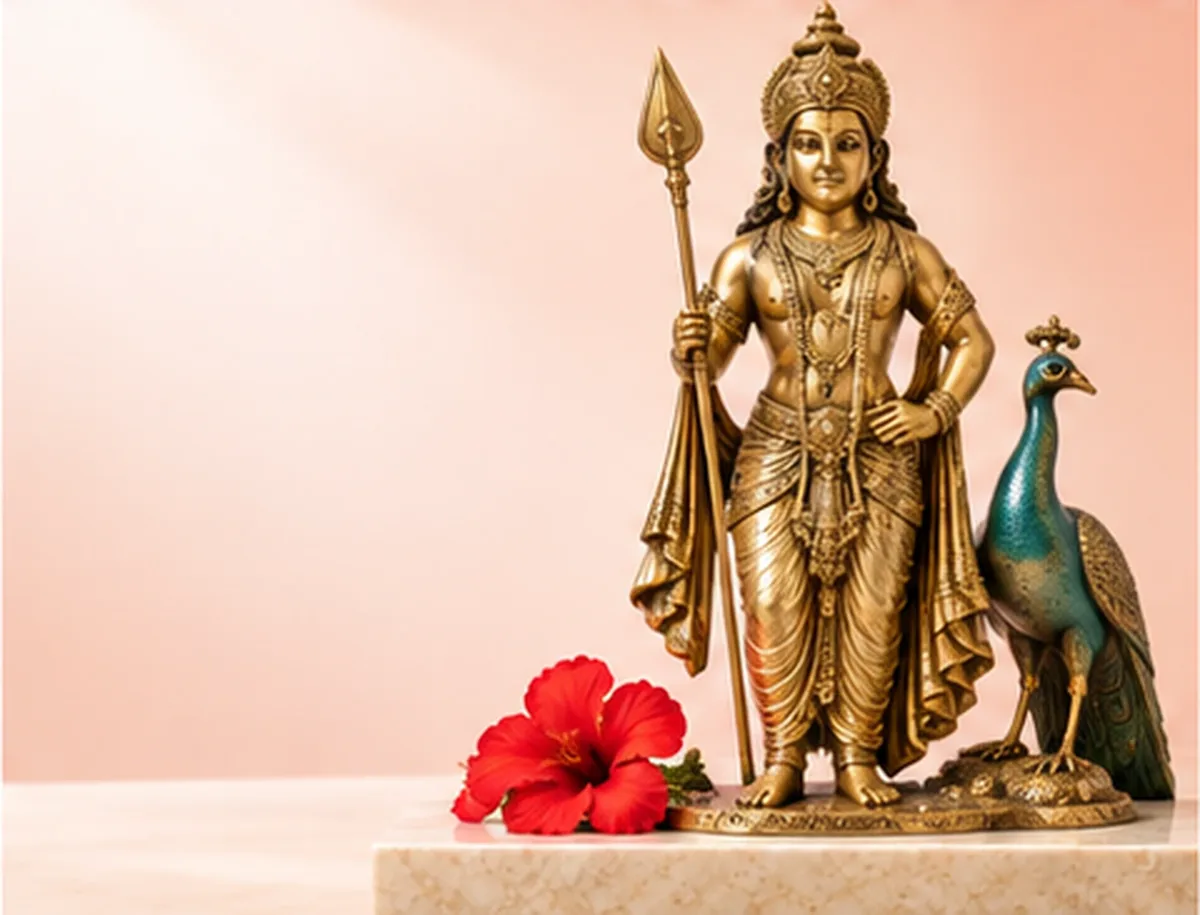
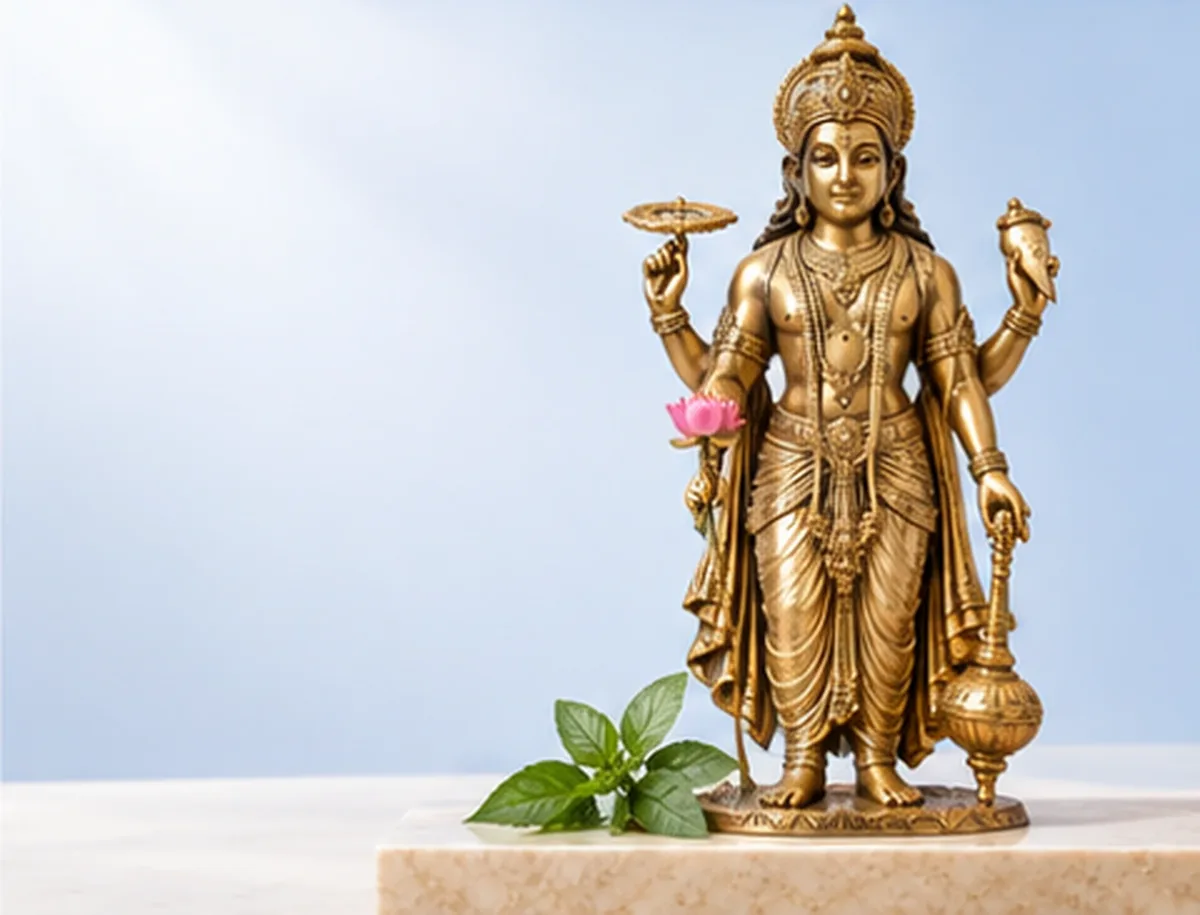
RitamSage plays devotional music from the Beyond Conscious label, chosen for your day's rhythm, the time of day and the deity you feel close to: Ganesha, Shiva, Durga, Lakshmi, Saraswati, Krishna, Rama, Hanuman, Kartikeya or Vishnu. Morning brings brighter, awakening pieces; evening and night bring slower, settling ones.

On a Charged day you might hear something steady and strong to carry the energy; on a Rest day, something gentle. The music is there to accompany the day, not to fill it. Put it on while you get ready, light a lamp, or sit quietly for ten minutes.

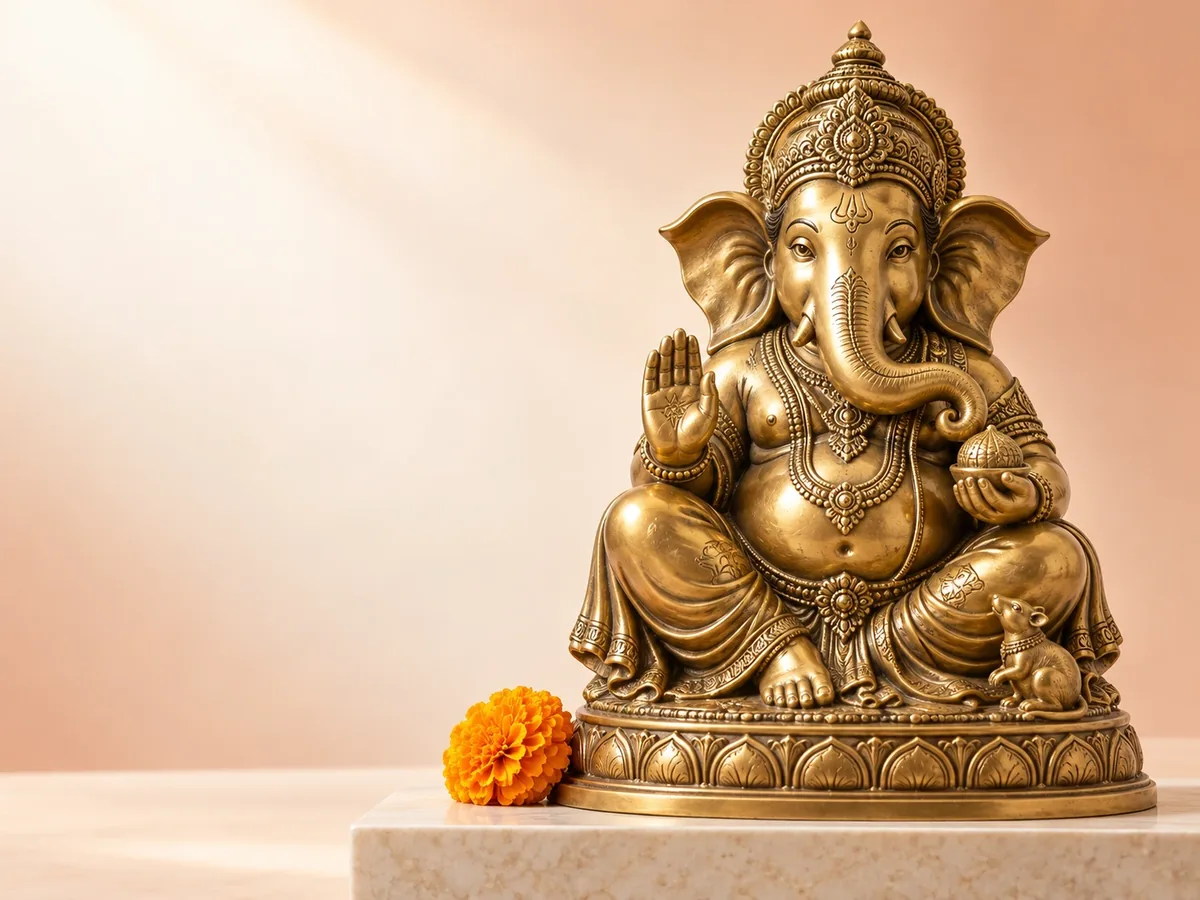
Brass murti of Ganesha
Ganesha
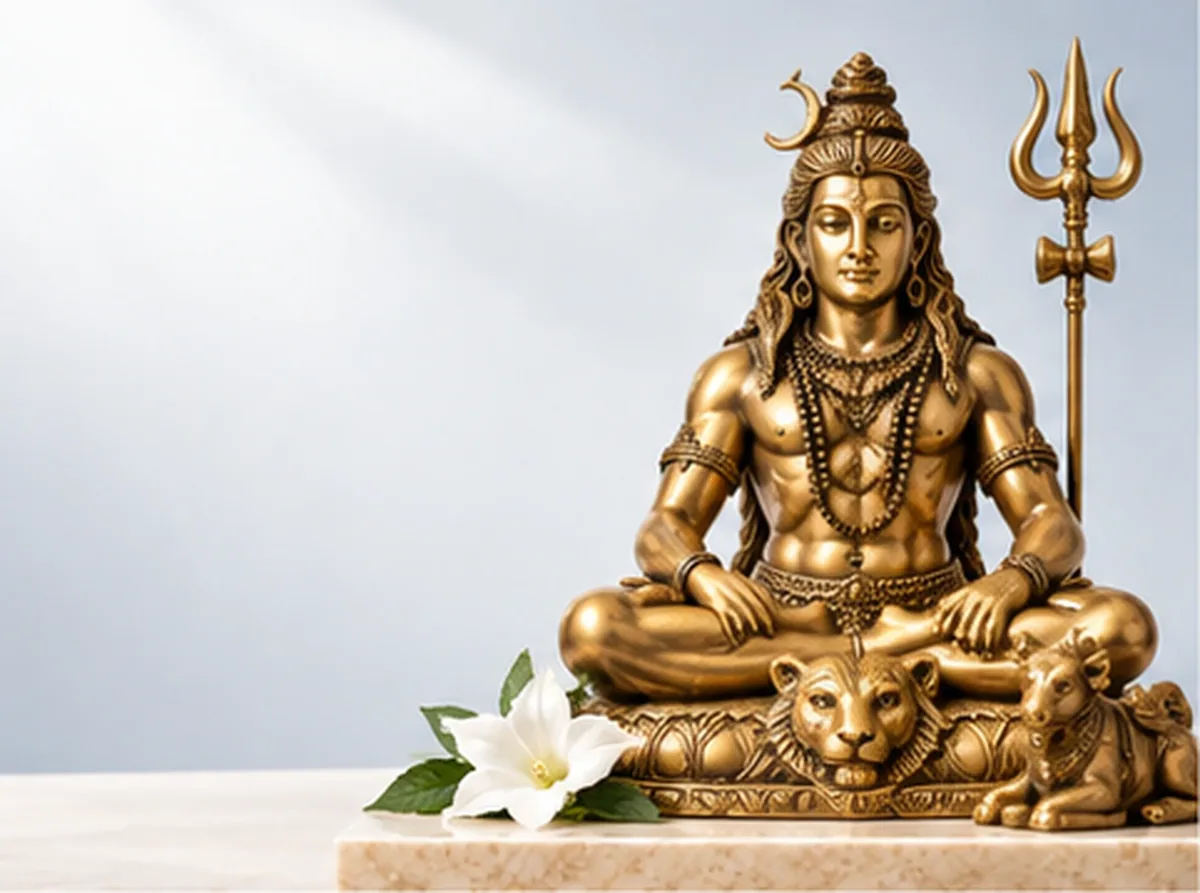
Brass murti of Shiva
Shiva
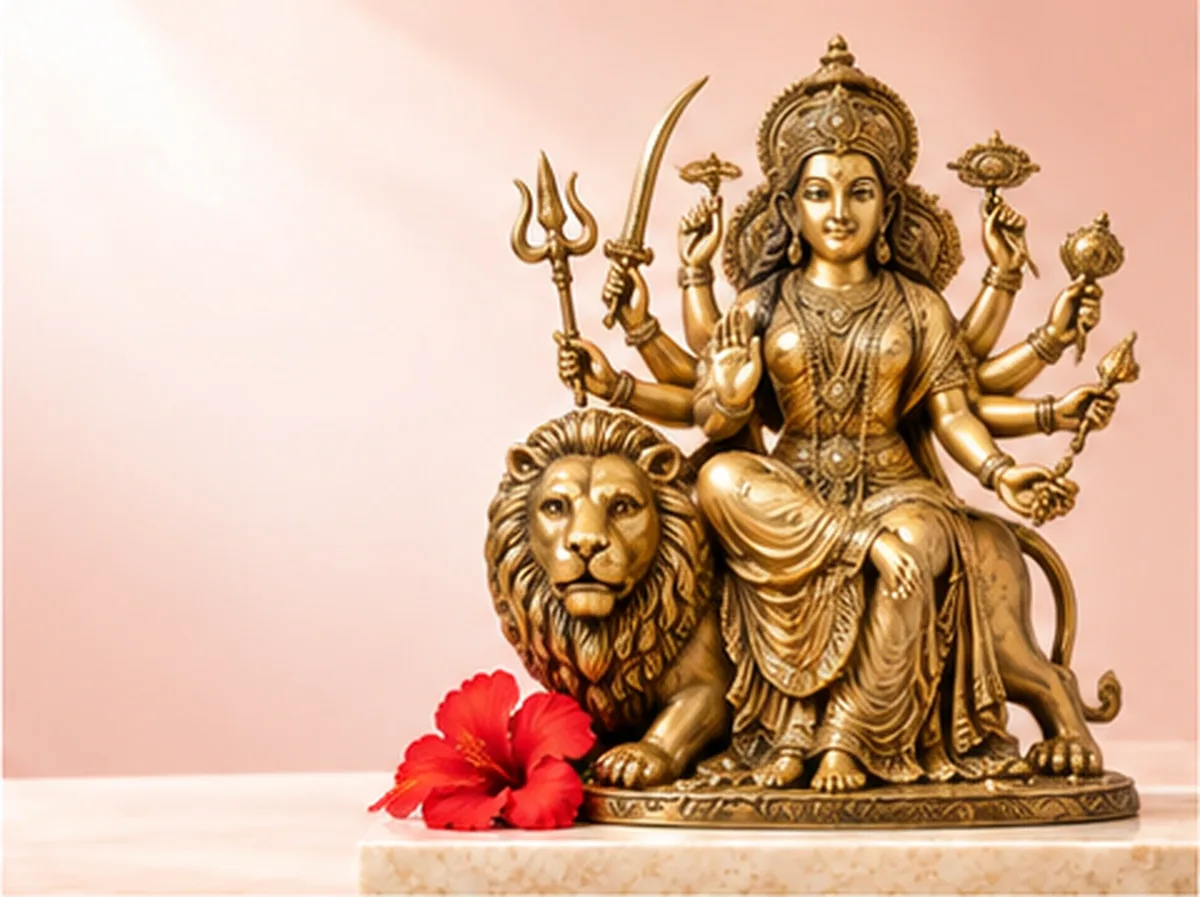
Brass murti of Durga
Durga
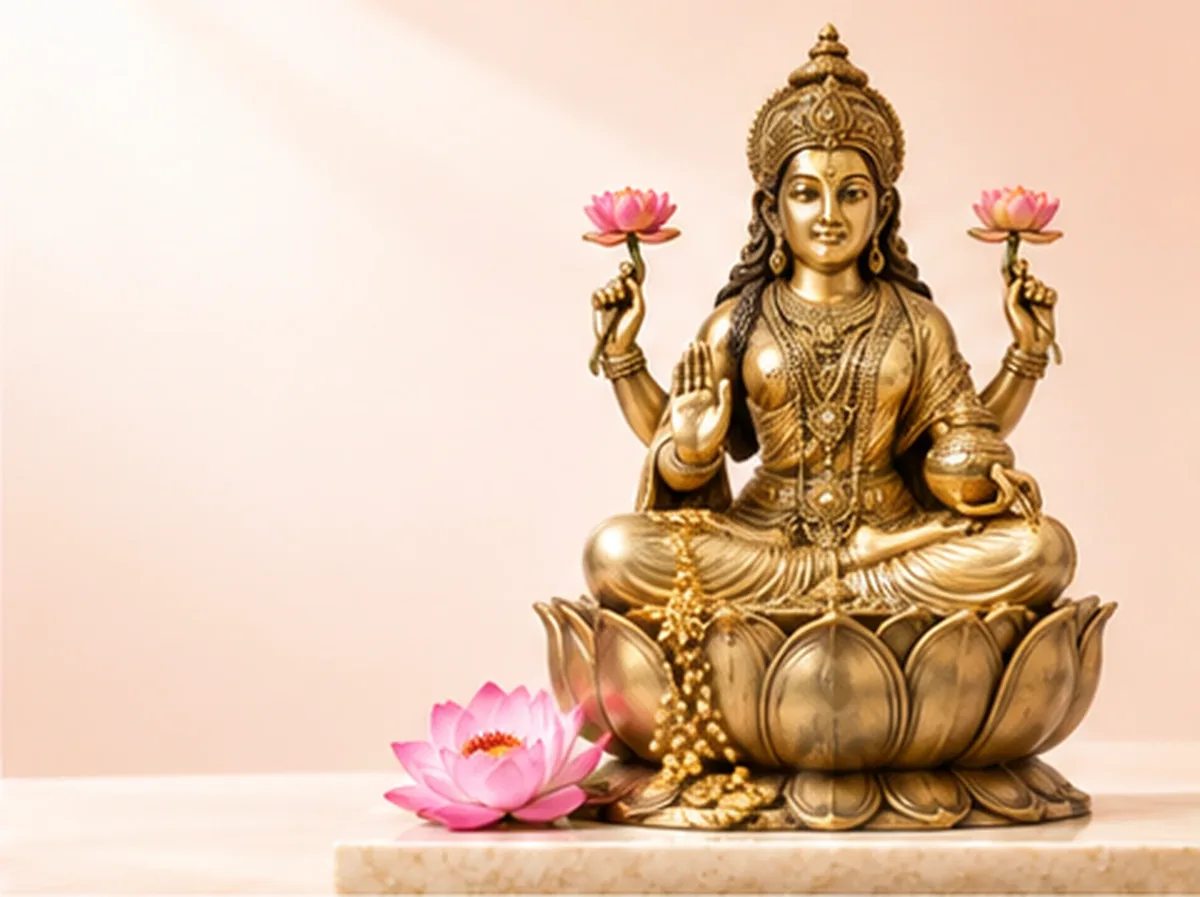
Brass murti of Lakshmi
Lakshmi
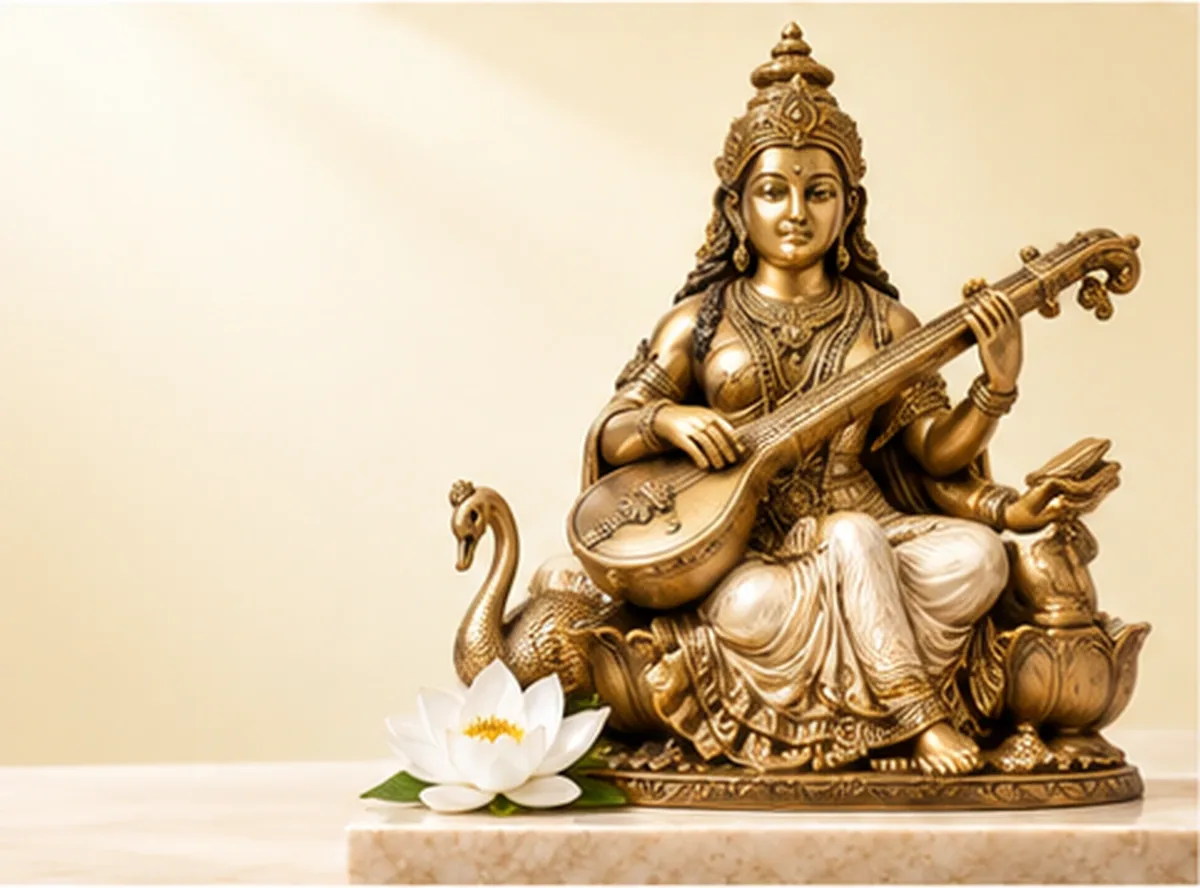
Brass murti of Saraswati
Saraswati
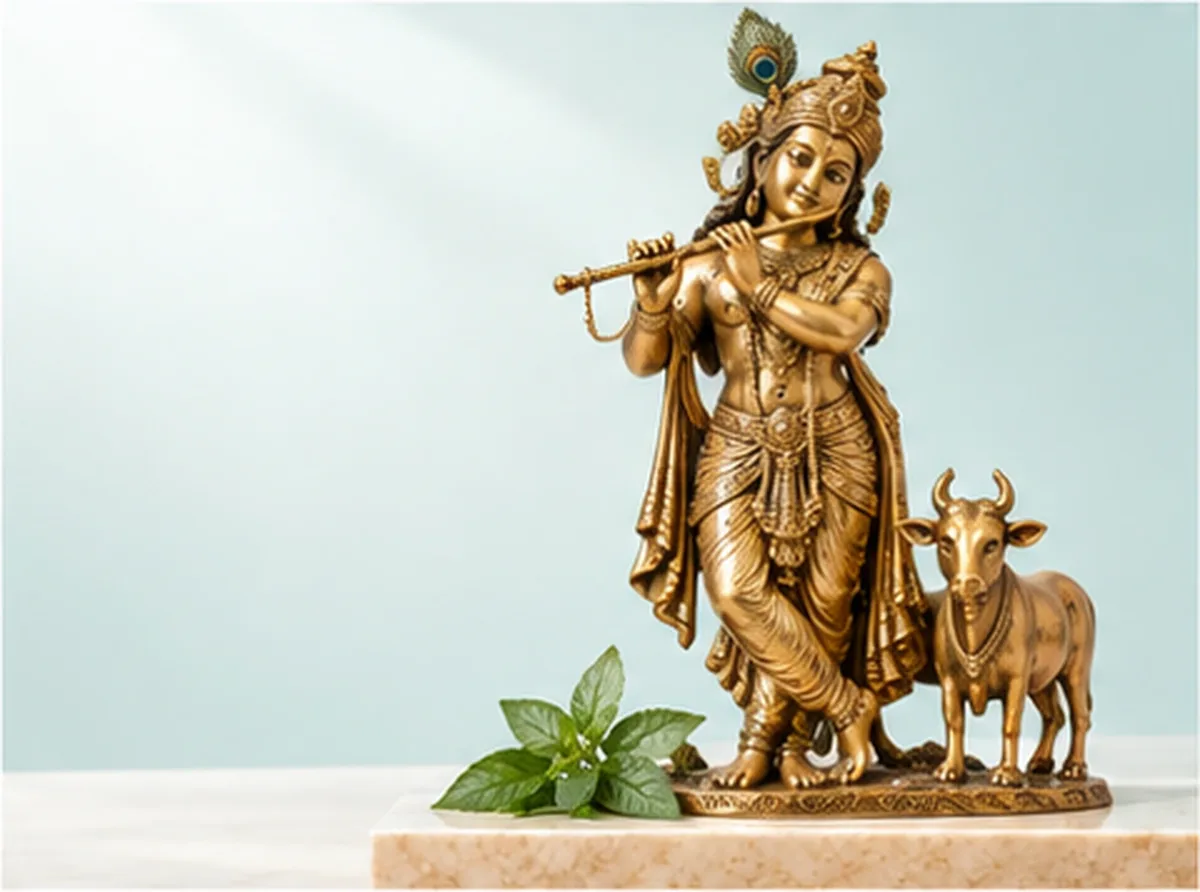
Brass murti of Krishna
Krishna
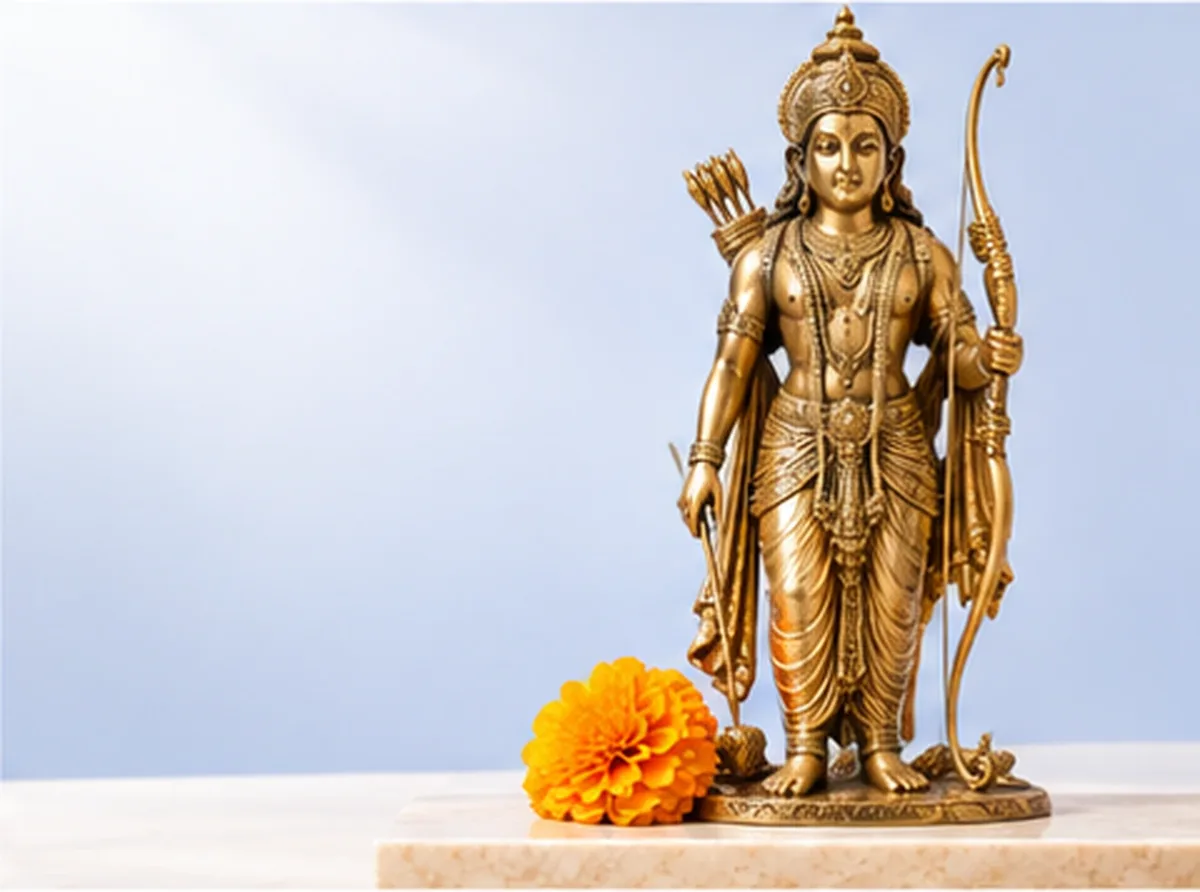
Brass murti of Rama
Rama
Brass murti of Hanuman
Hanuman
Brass murti of Kartikeya
Kartikeya
Brass murti of Vishnu
Vishnu
Today's Rhythm

Eight areas of life, each with its own reading.

Your level for the day is broken down across the parts of life you actually move through.

WorkEffort, focus and how far today carries what you push.
MoneySpending, earning and whether today suits decisions about wealth.
LoveWarmth, closeness and how easily feelings are met today.
HomeFamily, household and the comfort of where you live.
FriendsCompany, community and how open the day is to others.
LearningStudy, reading and how well the mind takes in something new.
TravelJourneys, near and far, and how smoothly they are likely to go.
RestHow much the day asks you to slow down, sleep and restore.

Timing

Timing

Work with the grain of the week, the month and the years.

Muhurat Finder

Good timing: find a window to begin something that matters.

For: Families and individuals planning a ceremony, a purchase or a new start.

How it works

The Muhurat Finder asks what you are beginning and over which dates, and searches for the windows that suit it. The occasions are grouped as families think of them: family (naming a baby, ear piercing, a first haircut, starting to learn), home and property (housewarming, bhoomi puja, buying property, buying a vehicle), work and travel (starting a business, joining a job, travel) and puja (Satyanarayan katha, Rudrabhishek and others).

Each window is chosen by the published rules for that kind of beginning: the tithi, weekday, nakshatra, the rising sign, and the periods tradition avoids, checked against your own chart. Where no written rule names a time for a puja, the finder offers the day's general good hours and says so. For anything else, ask Sage about another occasion. For major ceremonies, many families still confirm the time with their own pandit, and the app makes that conversation easier.

RitamSage app screen: the Muhurat Finder, its occasions in groups
Planner

Plan your week around good days and quiet ones.

For: People who schedule their week and like to work with its grain.

How it works

The planner lays out the coming thirty days with your rhythm for each one, so you can put demanding work on Charged and Steady days and leave room on Gentle and Rest days. You can see at a glance where the month is open and where it asks for patience.

Open any day for what it offers and music for that day. With Together, you can see the days that suit you and someone close to you at once. Use it on Sunday evening to shape the week, or the night before to decide what can wait.

Planner
Life periods

The chapters of your life (Vimshottari dasha), from birth to 120 years.

For: People who want to understand the longer chapters of their life.

How it works

The Vimshottari dasha system divides a life into planetary periods totalling 120 years, in a fixed order: Ketu, Venus, Sun, Moon, Mars, Rahu, Jupiter, Saturn and Mercury. Where you begin in that cycle depends on the nakshatra of your Moon at birth. Each major period (mahadasha) is divided into sub-periods (antardashas), and those again into finer ones.

Life periods shows where you are now, what came before and what is next, with a short reading of each period for your chart. It helps explain why certain years felt the way they did, and what themes the coming ones are likely to bring forward.

Life periods
Sade Sati

Saturn's years: when Saturn passes your Moon, and what it asks of you.

For: Anyone who has been told they are in Sade Sati and wants a calm, clear picture.

How it works

Sade Sati is the roughly seven-and-a-half-year period when Saturn moves through the sign before your Moon sign, your Moon sign itself and the sign after it. It has a fearsome reputation, much of it undeserved. Saturn asks for patience, responsibility and honesty, and many people look back on their Sade Sati as the years they grew up.

RitamSage shows whether you are in Sade Sati, which of its three phases you are in, and the exact dates it begins and ends for your chart. It explains what each phase tends to ask, without fear, and suggests simple traditional practices.

Sade Sati
Muhurat Finder occasions

Twelve beginnings, each with its own rules.

Naming a baby (Namkaran)A good time to give a child their name.
Ear piercing (Karnavedha)A gentle, favourable window for a child's ear-piercing samskara.
First haircut (Mundan)A good time for a child's first haircut.
Starting to learn (Vidyarambha)A good time for a child's first letters, a new school or a course of study.
Housewarming (Griha Pravesh)The right time to enter a new home for the first time and light the lamp.
Bhoomi pujaA time to honour the land and lay the foundation before building.
Buying propertyA steady window to buy land or a home.
Buying a vehicleA favourable time to buy or take delivery of a car, scooter or bike.
Starting a businessA strong window to open a shop, launch a company or begin trading.
Joining a jobA good time to begin a new job.
Travel (Yatra)A good time to set out on a journey.
PujaSatyanarayan katha, Rudrabhishek and more: a puja's own timing where a published rule names one, the day's general good hours where none does.

Your chart

Your chart

The chart you were born with, read clearly and in depth.

Birth chart

Your birth chart (kundli) in five views: your main chart, marriage, career, the Moon chart and the sky now.

For: Anyone who wants to read their own chart clearly.

How it works

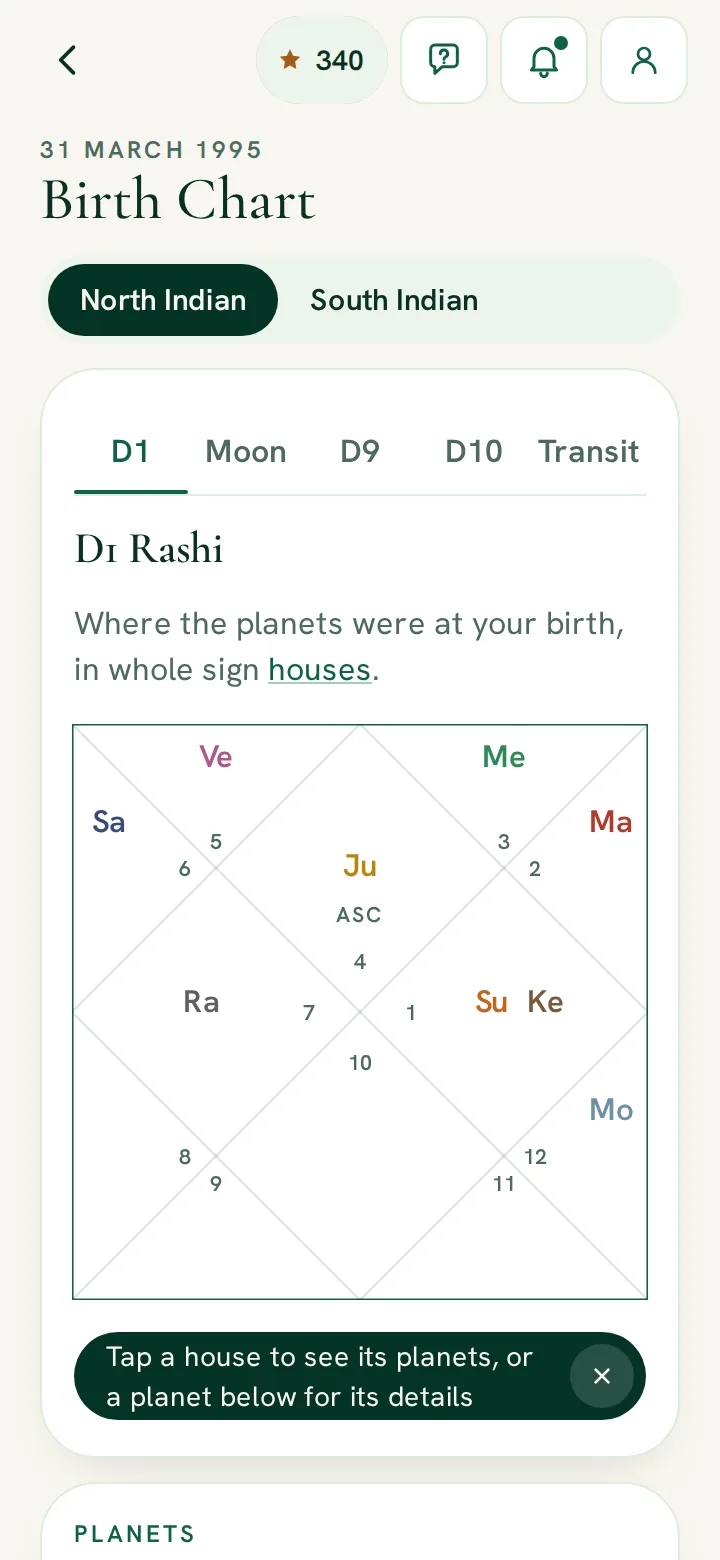
RitamSage draws your sidereal birth chart in either the North Indian diamond style or the South Indian square style, whichever you grew up with. It opens in five tabs: your main chart counted from your rising sign (the D1, from the lagna), the chart tradition reads for marriage and partnership (the navamsa, D9), the one it reads for work (the dashamsha, D10), the Moon chart, with the houses counted from your Moon's sign, and Transit, where each planet is in the sky today. Each tab lists every planet's sign, house, degree and birth star.

Tap any planet or house for a plain-English explanation of what it means in your chart. The chart is the foundation for everything else in the app, from your daily rhythm to your life periods.

RitamSage app screen: Birth chart in North Indian style
Yogas

Chart patterns: the planetary combinations (yogas) present in your chart.

For: People curious about the strengths and patterns written into their chart.

How it works

In Jyotish a yoga is a specific combination of planets, signs and houses that gives a recognisable pattern to a life. Some are well known, like Gaja Kesari yoga (Jupiter in an angle from the Moon) or the five Pancha Mahapurusha yogas; others are quieter and more specific.

RitamSage checks your chart for the classical yogas and lists the ones that are present, with the rule that forms each one and what it is traditionally said to bring. Each one comes with a plain explanation, so you can see how the pattern is formed in your own chart.

Yogas
Life roles

Each planet's part in your life, from your own chart.

For: Anyone curious which planet speaks for whom in their chart.

How it works

Life roles shows the seven planets circling you, each in the role your birth chart gives it. The roles follow the classical count of how far each planet had travelled through its sign when you were born: the furthest stands for the self, the next for your adviser, and on to brothers and sisters, mother and father, children, relatives and, nearest of all, your spouse.

Tap a planet to bring it forward and read its role in plain words. Life roles needs your birth time, because the planets' places within their signs change through the day.

Life roles
Match

How do two charts fit together? For work, travel, money and more.

For: Families considering a match, couples, and business partners.

How it works

Match compares your chart with someone in your Connections and shows how your days and your charts meet, area by area: work, travel, money and more. You see where the two charts support each other and the points that deserve a conversation.

A score is a starting point for understanding, not a yes or a no. For marriage there is Marriage match, with the traditional guna matching and more.

Match
Marriage match

Two charts for marriage: guna matching, the planets and the years ahead.

For: Families considering a match, and couples.

How it works

Marriage match compares two birth charts for marriage in three parts: the traditional guna matching (Ashtakoota) from each person's Moon and nakshatra, the planets that shape marriage in each chart, and the years ahead for both.

A score is a starting point for a conversation, not a yes or a no. Many strong marriages have modest scores, and the app says so.

Marriage match
Sage

Ask about life, and get an answer from your own chart.

For: Anyone with a question about work, love, home or the year ahead.

How it works

Sage answers your questions about life from your own birth chart: work, love, money, home, the year ahead, or you and someone close to you. Each answer comes in plain words, with the planets behind it and the life periods you are in now and next. Ten questions a day are free in your first three days, then three a day, and practice points buy more.

Sage is an AI guide, not a person, and it never works out your chart itself. It is handed your chart's facts and names the chart it reads (your main chart, the marriage or career chart, the Moon chart, or the sky now), and every answer is checked against your chart before you see it. You can keep or delete your past answers.

Sage
The reports

17 readings to choose from.

This monthThe month ahead for your chart: its strong weeks, quiet weeks and key dates.
Career pathYour tenth house, its lord and your dashas, read for work, vocation and timing.
Money rhythmHow wealth tends to come and go for you, from the second and eleventh houses.
Love and relationshipsVenus, the seventh house and your Moon, read for how you love and partner.
Sade Sati yearsYour exact Sade Sati dates, each phase explained, and what Saturn asks.
Your life periodsYour Vimshottari dashas across a lifetime, with the current period in depth.
EducationLearning style, subjects that suit you and good periods for study and exams.
Sun reportSurya in your chart: confidence, purpose, father and authority.
Moon reportChandra in your chart: mind, feelings, mother and home.
Mars reportMangala in your chart: courage, energy, siblings and land.
Mercury reportBudha in your chart: speech, intellect, trade and learning.
Jupiter reportGuru in your chart: wisdom, teachers, children and grace.
Venus reportShukra in your chart: love, beauty, comfort and the arts.
Saturn reportShani in your chart: discipline, endurance, work and time.
Rahu reportRahu in your chart: ambition, appetite and the unfamiliar.
Ketu reportKetu in your chart: detachment, insight and what you already know.
Marriage matchTwo charts compared in full: Ashtakoota, Manglik status and the deeper picture.

Practice

Practice

Small daily acts that steady the mind.

Sankalpam

A spoken intention, in the traditional form.

For: People who perform puja at home or prepare for a ceremony.

How it works

A sankalpam is the formal statement of intention spoken before a puja, a vow or an important undertaking. It places you exactly in time and space: the era, the year, the season, the month, the paksha, the tithi, the weekday and nakshatra, the yoga and karana, your gotra, your name and your place, before stating what you intend and why.

RitamSage fills in the time and place details for today and your location (outside India it names your country, state and city in place of the land words used in India), adds your gotra and name, and helps you phrase the intention itself. You can write one for yourself or for someone else, read it aloud, save it, or share it with the priest performing your puja.

Sankalpam
Your journey

Your days of practice, your points and the knowledge cards you have kept.

For: People building a small daily practice.

How it works

Your journey keeps a quiet record of your practice: the days you did one of the day's practices, the points they earned and the knowledge cards you have kept. Rest days are part of the rhythm and never count against you. The point is steadiness, not pressure.

Your journey

People

People

The people in your life, and a person to talk to.

Connections

Your people, in your own groups, and how their day is going.

For: Families and friends who want to keep each other in mind.

How it works

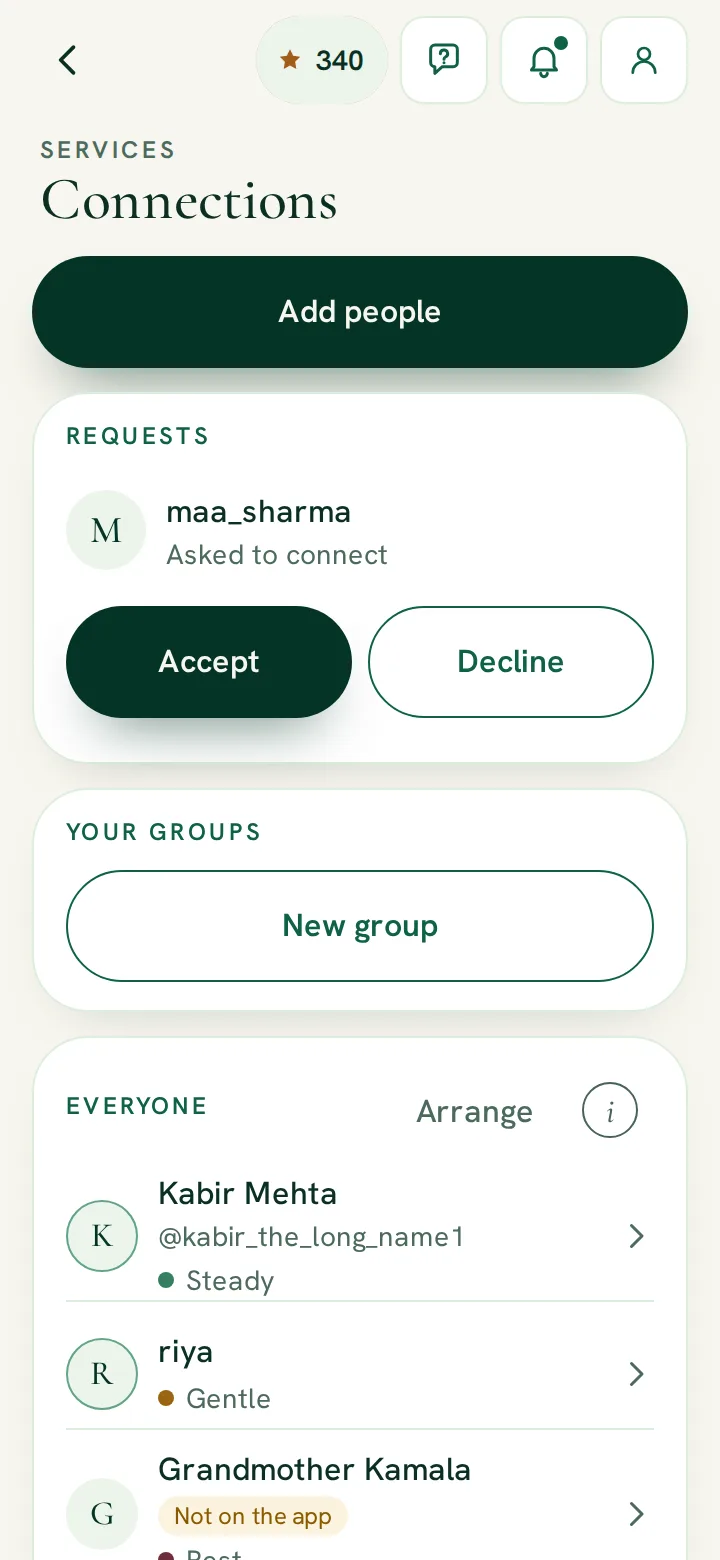
Connections keeps the people who matter to you in one place: family and friends who use RitamSage, and anyone else you add with their birth details, such as a grandparent. Make your own groups (family, college friends, the office) and they come first, then everyone in the order you arrange. See how each one's day is going, check a day together, and open Match for any of them.

You choose who to add, and anyone you invite chooses whether to accept. A person's chart shows only if they choose to share it.

RitamSage app screen: Connections, your people and their day